Hybrid Nearshoring: Combining Global Sourcing with Local Production
Discover how brands use hybrid nearshoring — importing materials from overseas and producing locally — to cut tariffs, speed up delivery, and stay agile.
Global manufacturing doesn’t have to be all-or-nothing. For many brands today, the smartest strategy isn’t choosing between offshore and nearshore - it’s combining both.
This “hybrid approach to nearshoring” lets brands import key materials or components from overseas, then assemble or finish production closer to home - in the US, Latin America, or another nearshoring region.
The result? Lower tariffs, faster turnaround, and greater flexibility.
What Is a Hybrid Nearshoring Model?
In a traditional offshoring model, brands manufacture entire products abroad (often in Asia) to take advantage of lower labor costs.
In a hybrid nearshoring model, brands:
1. Import select materials or components (e.g. fabrics, trims, or packaging) from offshore suppliers where costs are lowest.
2. Assemble, sew, or finish the final product in a nearshoring country, such as Mexico, Colombia, El Salvador, or the U.S.
This approach blends the cost advantages of offshore sourcing with the speed and oversight benefits of nearshore production.
Key Benefit 1: Lower Tariff Burden
One of the most compelling advantages of this model is cost savings through reduced tariffs.
When you produce overseas, you pay duties on the total value of the finished product — materials + labor. But under a hybrid approach, you only pay duties on the imported materials that enter the nearshoring country, not the value of the labor added locally.
For many brands, that translates to significant savings, especially under trade agreements like the U.S.-Mexico-Canada Agreement (USMCA) or Central American trade frameworks that favor regional assembly.
In short: You can still import global materials — but benefit from nearshore tariff efficiencies.
Key Benefit 2: Better Cash Flow & Leaner Inventory
When materials are imported in bulk, brands can take advantage of volume pricing discounts overseas.
But by completing production locally, they can still manufacture in smaller batches — reducing inventory risk and improving cash flow.
This allows you to:
- Order raw materials cost-effectively
- Produce in short runs or capsule collections
- Refill inventory faster when products sell out
- Keep less stock on hand, reducing storage costs
The hybrid model gives brands the flexibility of small-batch production without losing the pricing advantage of global materials sourcing.
Key Benefit 3: Faster Response to Market Demand
Consumer preferences shift quickly — and long shipping timelines can leave brands overstocked or out of sync with trends.
By assembling products closer to your main market, you can cut lead times from months to weeks, react quickly to sales data, and make small design or color adjustments mid-season.
This agility is one of the most powerful competitive advantages of nearshoring, and it’s fully compatible with a hybrid sourcing model.
Key Benefit 4: Improved Quality Control & Communication
Finishing production near home gives brands more direct oversight of quality, packaging, and final details. You can visit factories in person, test prototypes faster, and catch issues before products ship.
Meanwhile, materials sourced globally can still come from trusted suppliers you’ve already vetted.
It’s the best of both worlds: global sourcing for efficiency, and local production for precision and trust.
Key Benefit 5: Sustainability & Transparency
A hybrid model can also reduce your carbon footprint. By importing only materials (rather than finished goods), you cut shipping weight and distance.
You also gain more control over:
- Waste reduction
- Ethical labor standards
- Supply chain visibility
Producing closer to your primary market supports regional economies while aligning with consumer demand for responsibly made, transparent products.
When Hybrid Nearshoring Works Best
This approach is ideal for brands that:
- Need specific raw materials or components not available locally
- Want to reduce tariffs while improving speed to market
- Produce multiple SKUs or colorways that benefit from short-run flexibility
- Value hands-on quality control and local relationships
Common examples include:
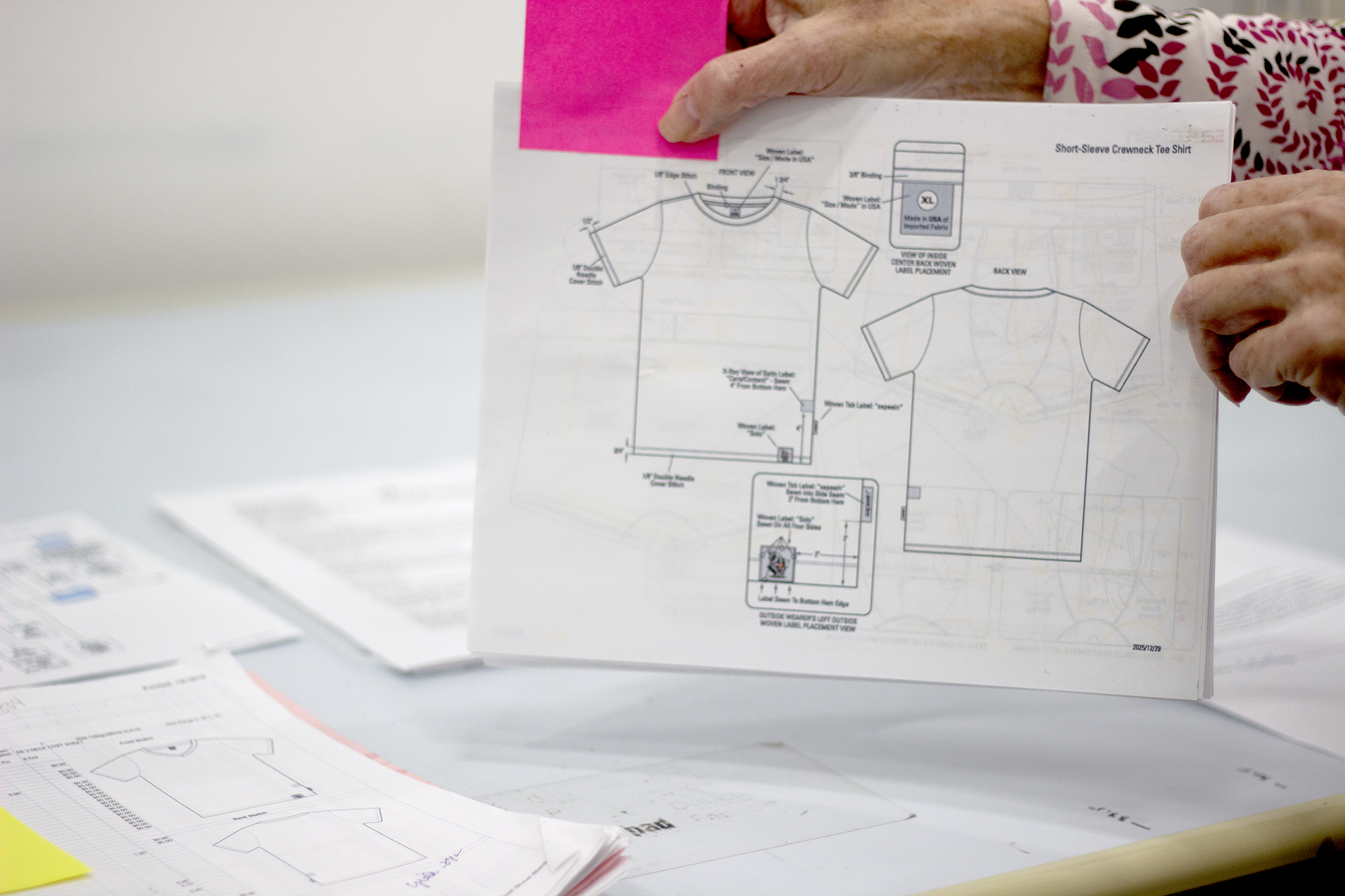
* Apparel brands importing fabric rolls but sewing garments in Mexico or the U.S.
* Jewelry brands importing chains or findings, then assembling locally.
* Leather goods brands importing zippers, hardware, or linings while producing bags regionally.
How Nearshore Helps
At Nearshore, we work with factories and suppliers across the Americas and Europe who understand hybrid sourcing. From material imports to local assembly, our vetted factories and sourcing experts can help you design a supply chain that balances cost, speed, and flexibility.
Whether you’re looking to:
- Import raw materials efficiently
- Produce smaller batches locally
- Reduce tariff exposure
- Strengthen supplier partnerships
Nearshore can help you build a resilient, modern supply chain, closer to home, and smarter for growth.