.jpeg)
MOQ Explained: How to Negotiate Without Burning the Relationship
The most successful brands don’t view a Minimum Order Quantity as a roadblock, but as the first conversation in a long-term manufacturing partnership.
In the modern supply chain, flexibility is the new currency. A factory that works with you on MOQs today is investing in the legacy brand you will become tomorrow—provided you approach the negotiation with transparency and mutual respect
1. Understand the "Why" Behind the Factory's Numbers
Before you ask a factory to cut their MOQ in half, you have to understand why it exists. Most factory owners aren’t being difficult; they are managing their own constraints:
- Raw Material Minimums: Your factory’s fabric or component supplier often has their own MOQs.
- Set-up Costs: Calibrating machines for a specific run takes time and labor. If the run is too small, the labor cost exceeds the profit.
- Opportunity Cost: A small run on a big machine prevents the factory from taking on a massive, high-margin order.
2. Leverage the "Sample-to-Scale" Strategy
Don't lead with "I can't afford 1,000 units." Lead with "I am committed to 5,000 units annually, but we need to validate this specific SKU with a 250-unit test run first."
By framing the low MOQ as a Product Validation Phase, you position yourself as a serious, data-driven partner. Factories love brands that grow because a growing brand becomes a stable, long-term "anchor" client.
3. The "Standardization" Hack: Use What’s Already on the Floor
If you are an apparel brand insisting on a custom-dyed "Sunset Coral" organic cotton, the factory has to buy a massive roll of that specific fabric just for you. This is where high MOQs are born.
Negotiation Move: Ask the factory for their "Stock Fabric List" or "In-House Component" list. If you design your first run using a high-quality black or navy jersey they already keep in bulk for other major clients, you eliminate their need to place a specialized sub-order. By using "deadstock" or standard materials already on the factory floor, you can often bypass the MOQ entirely or drop it by 60-70% because the setup risk for the factory is nearly zero.
4. Offer a "Pioneer Premium"
If the factory's break-even point is 1,000 units at $5.00, they are likely losing money on 200 units. Offer to pay $6.50 per unit for a smaller "trial" batch.
While your margins might take a temporary hit, you save thousands in upfront capital and avoid the risk of "dead stock" sitting in a warehouse. Once the product proves itself, you can scale to the 1,000-unit tier at the better price.
5. Why Nearshoring is the "Relationship" Choice in 2026
Relationship-building is difficult across 12 time zones. In the current manufacturing landscape, proximity is a competitive advantage.
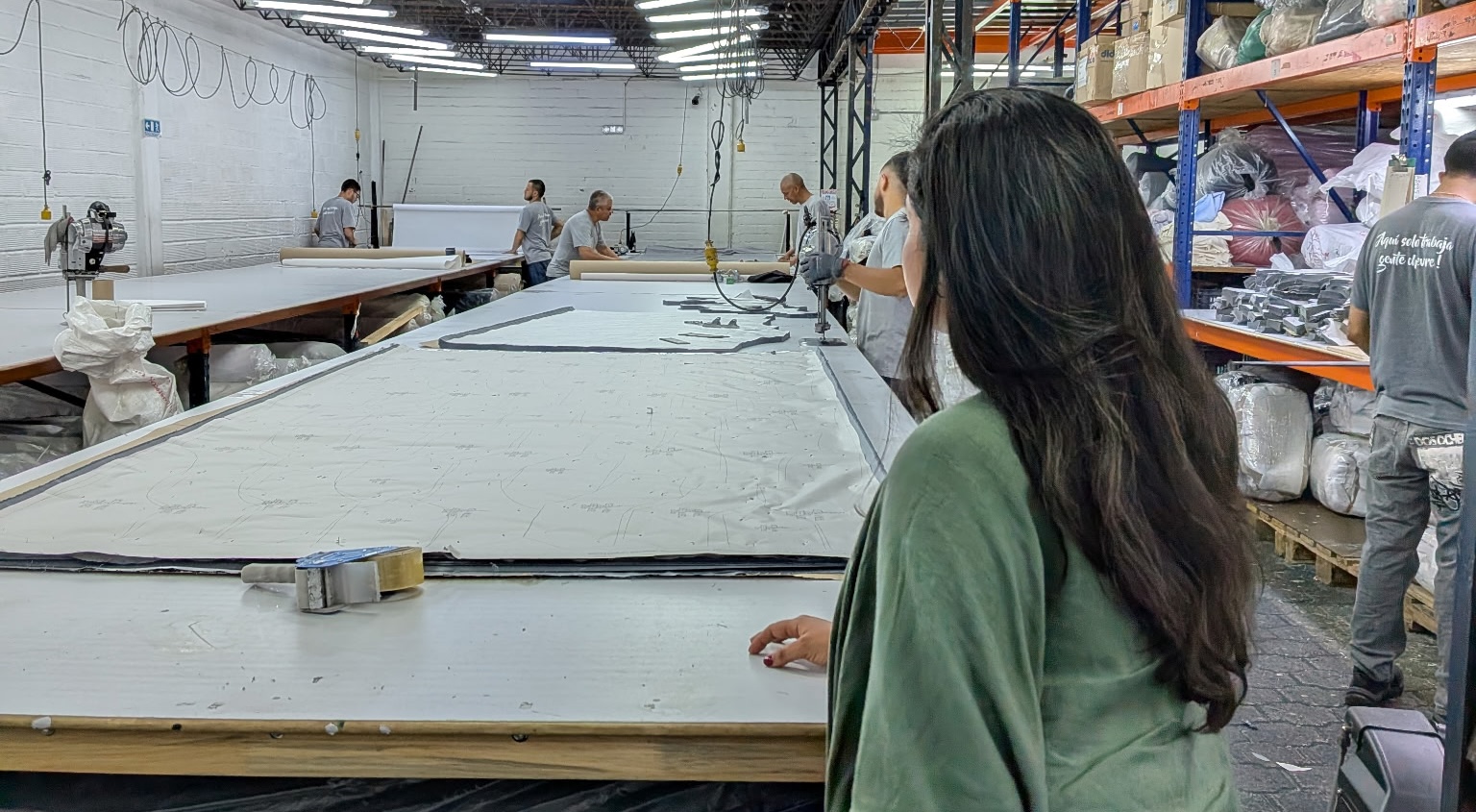
When you work with a factory in Mexico, Colombia, or Peru, you aren't just a line item in an inbox. You share a workday. You can visit the facility without a 20-hour flight. This proximity builds the "soft" trust required for a factory owner to say, "Okay, we'll do the smaller run for you this time."
Key Benefits of Nearshoring for Independent Brands:
- Cultural Alignment: Similar business hours mean real-time problem solving.
- Sustainability: Shorter shipping routes mean a smaller carbon footprint—a major selling point for 2026 consumers.
- Duty-Free Trade: Leverage agreements like USMCA to keep "landed costs" low, even on smaller batches.
Final Thoughts: It’s a Partnership, Not a Transaction
A factory is an extension of your team. If you squeeze them too hard on price and MOQ, they may cut corners on quality or deprioritize your production when a bigger client arrives. Aim for a "fair" deal where both parties feel the risk is shared.
Ready to find a manufacturing partner that actually wants to grow with you?
Nearshore is the premier sourcing platform connecting North American brands with the best factories in Latin America. We help you find the right fit, negotiate the right terms, and build a supply chain that’s built for the future.