Why Your Sample Took So Long (From the Factory's Point of View)
The sample stage doesn't have to be a black hole, but for many DTC brands, it is!
The brands that get samples back fastest aren't the loudest or the most demanding; they're the most prepared. A complete tech pack, a realistic timeline, and a factory that actually knows who you are will outperform urgency every single time.
If you're a DTC brand building physical products, the sample stage is one of the most critical and most misunderstood parts of your entire production process. You submit your request, and then the waiting begins. Weeks pass. Follow-ups get sent. Revisions take longer than expected. By the time the sample is approved, the launch timeline has already shifted.
What's rarely discussed is what's happening on the other side of that process. Factories aren't withholding, they're managing. And when both sides understand how the other operates, the whole thing moves faster.
How production floors actually work
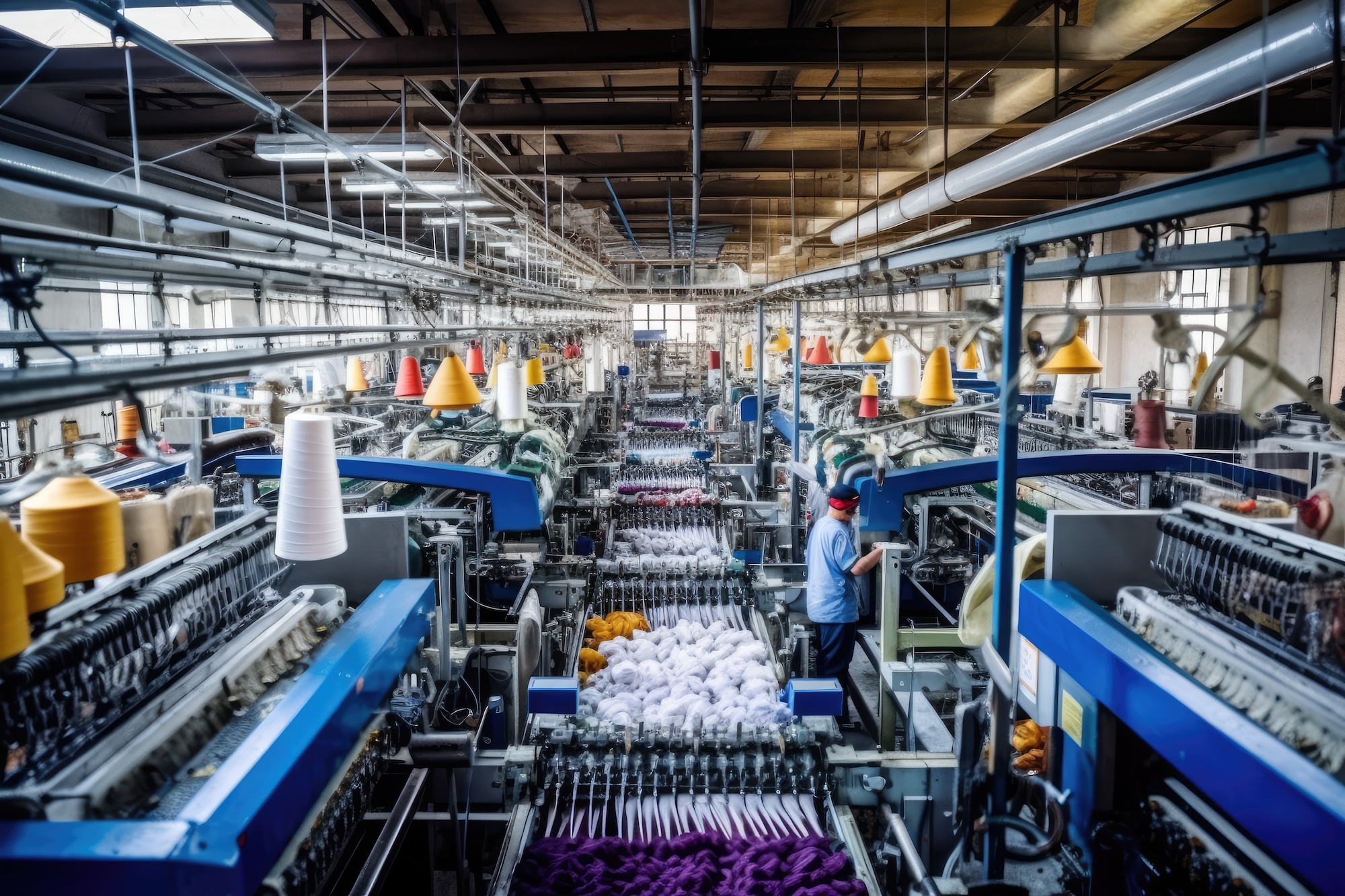
A factory's primary function is running production, not building samples. Sample work gets scheduled around active orders, material availability, and existing client commitments. This isn't a flaw in the system, it's just the reality of how manufacturing capacity gets allocated.
Established clients with consistent order history naturally get prioritized. Not out of favoritism, but because predictability has real operational value. A newer brand relationship, however promising, carries more uncertainty and factories plan around certainty.
Understanding this dynamic isn't about assigning blame. It's about knowing what you're working with so you can position yourself more effectively from the start.
Six reasons the sample timeline stretches
- The relationship is still being established. Early-stage factory relationships require more back-and-forth on both sides. Trust and process alignment take time to build, and that naturally shows up in the sample stage.
- The spec needed interpretation. When a tech pack has gaps, factories fill them in and that interpretation doesn't always match the brand's vision. The resulting revisions aren't anyone's fault; they're a documentation problem that can be solved upstream.
- Materials had to be sourced. If a design calls for something outside the factory's existing material library, sourcing has to happen before production can begin. That step alone can add one to three weeks, regardless of how responsive both parties are.
- Time zone gaps slow the feedback loop. When a question goes unanswered for 24–48 hours because of time differences, and that happens across multiple rounds of revision, the cumulative delay adds up fast. This is one of the most underestimated variables in overseas production timelines.
- Sample work shares equipment with production orders. Most factories don't run a separate sample line. Prototypes get built in the windows between production runs, which means the schedule is partially out of anyone's hands.
- Revision notes got lost in translation. Directional feedback, even well-intentioned, can land differently than expected. Without clear annotations, measurements, or reference points, the next revision becomes another round of interpretation.
Why nearshore manufacturing changes the equation
Each of the friction points above gets meaningfully reduced when your manufacturing partner is closer to home, whether that's in the US, Mexico, Colombia, or elsewhere within a similar time zone and business culture.
The feedback loop tightens dramatically. Instead of waiting 24–48 hours for a response, you're working in near-real time. Factory visits go from expensive international trips to manageable travel, which means stronger relationships get built faster. And shared or overlapping business hours make it easier to catch small misalignments before they become multi-week delays.
Nearshoring isn't just a logistics decision. It's a communication infrastructure decision and the sample stage is where that difference is felt most acutely.
What both sides can do differently
For brands: the investment in a complete, well-documented tech pack before outreach pays back immediately. Clear callouts, accurate measurements, approved material references, and specific revision notes remove the guesswork that causes most delays.
For factories: transparent communication about queue position and realistic timelines (even when the news isn't ideal) helps brands plan better and builds the kind of trust that converts sample relationships into long-term production partnerships.
The sample stage works best when it's treated as a collaboration, not a transaction.
The bottom line
Sample delays aren't inevitable. They're usually the result of a few solvable misalignments between how brands submit requests and how factories receive them. The good news is that most of those misalignments have practical fixes: better documentation, stronger factory relationships, and a sourcing strategy built around proximity and communication, not just cost.
The DTC brands moving the fastest aren't necessarily the biggest. They're the ones who've built a production process that sets both themselves and their manufacturing partners up to succeed from day one.
Ready to build a faster, smarter sampling process?
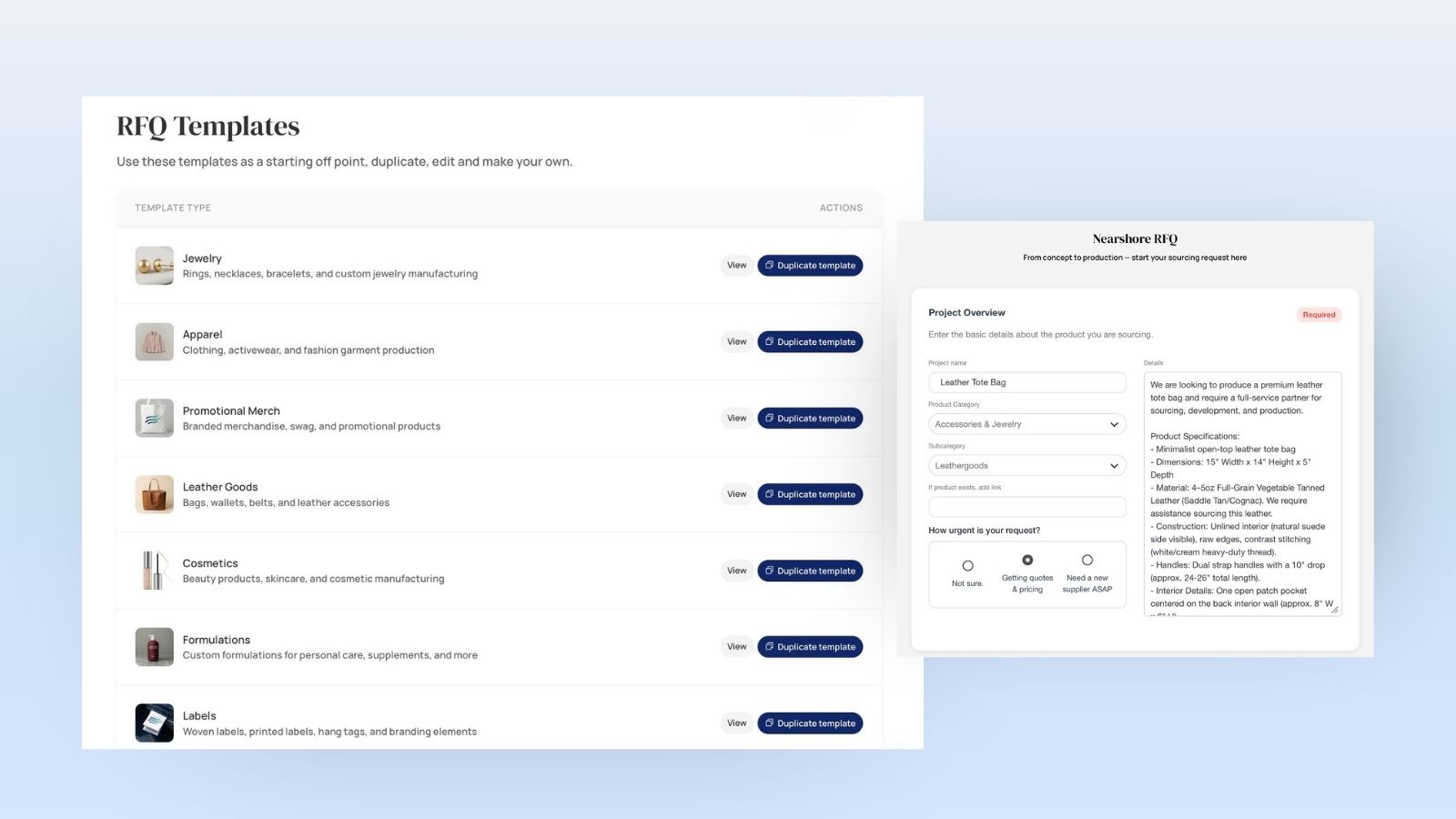
Nearshore connects DTC brands with vetted manufacturing partners across the US, Latin America, and Europe, so you spend less time waiting on samples and more time building your brand.
Find your next manufacturing partner today.