Warehouse vs. Fulfillment Center: What Scaling Brands Actually Need to Know
A former Argents client, now on the Argents team, explains what really happens after your products leave your hands.
Every founder doing their own fulfillment eventually hits a breaking point.
When an e-commerce brand hits a growth spurt, founders run into a hard truth: renting space to store inventory is not the same as building a fulfillment operation.
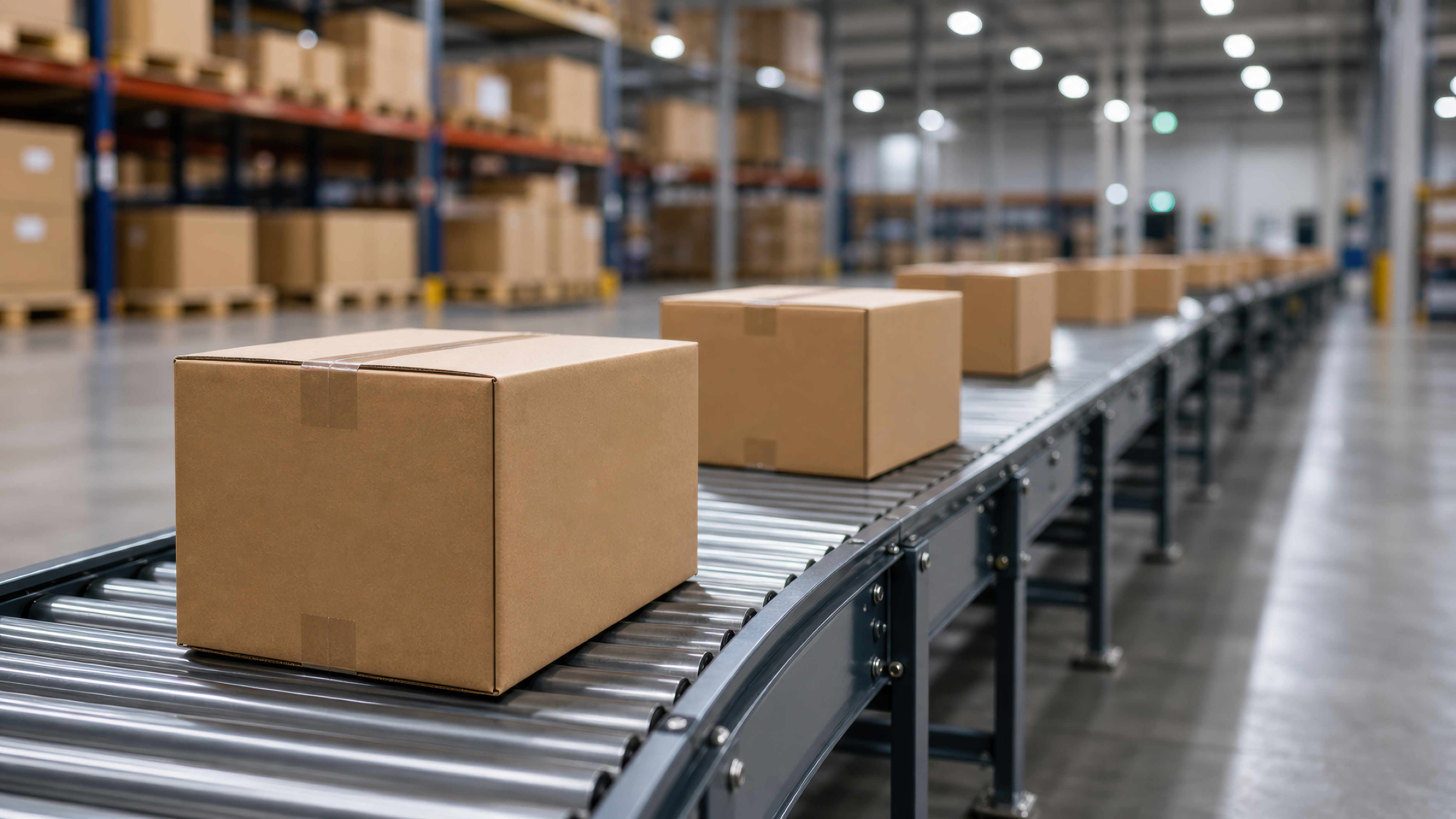
A storage warehouse is passive. It's four walls where pallets sit until someone figures out how to move them. A fulfillment center is active. It receives, picks, packs, ships, and handles returns on your behalf, shaping your customer experience while you focus on growing the business.
Still, handing over the physical side of your business can feel daunting. What actually happens to your products once they leave your hands?
To find out, we sat down with Olivia of Argents, a global logistics provider and the exclusive 3PL partner of the Nearshore Grant. Olivia brings a rare dual perspective: before joining Argents, she worked at a brand that was an Argents client. She knows what it feels like on the founder's side of the table, and she knows how a strong fulfillment partner operates from the inside.
Many founders use "warehouse" and "fulfillment center" interchangeably. What's the real difference, and why is confusing the two risky for a growing brand?
When I was on the brand side, I thought of a warehouse mainly as a place to store inventory. I've since learned that fulfillment is far more active. A fulfillment center manages the entire process, from receiving and inventory management through picking, packing, shipping, and returns, and every one of those steps affects the customer experience. The biggest risk for a scaling brand is assuming they need more space when what they really need is the operational infrastructure to move inventory efficiently.
When founders ship from their garage, they control every unboxing. How does a fulfillment center preserve that personal touch at scale?
I think the deeper fear isn't losing the personal touch. It's losing control and wondering, "Can anyone else do this as well as I can?" I had that worry myself on the brand side. But with the right processes in place, including clear SOPs, quality control, and attention to details like kitting and branded packaging, you can replicate that experience at scale.
At Argents, we're hands-on and relationship-driven. We encourage brands to visit our facilities, meet the team, and see the operation firsthand, because that team becomes an extension of their own.
Walk us through the floor at Argents. What happens after a customer clicks "Buy"?
Once an order comes in, a very structured process kicks off to move it quickly and accurately. Accuracy actually starts earlier, at receiving: we clean up and verify SKU specifications and dimensions as inventory comes in the door.
When an order drops, our system has multiple checks built in to prevent misships, including controls that won't let a picker move forward until the order has been picked correctly. From there, cartonization selects the most efficient packaging for each order, which reduces both material and shipping costs. And because we've pre-negotiated our carrier rates, we can pass those savings on to our customers.
Founders used to walking their own warehouse and counting boxes lose that line of sight. How does technology close the gap?
Going from physically seeing your inventory to trusting a system definitely takes some adjustment. Our customer portal gives brands full visibility into their inventory and orders, with a deep level of detail on what's happening at every step.
We're confident in our processes and we believe in full transparency. Our customers can essentially see into the operation through the portal. It's boots-on-the-ground visibility without having to be there.
Argents is the sole 3PL partner of the Nearshore Grant. How does nearshoring fit into an active fulfillment strategy?
We're proud to be the Nearshore Grant's sole 3PL partner, and the connections and conversations we've had through the program have been great so far.
Nearshoring gives brands more flexibility by diversifying where their products are made, especially hero SKUs, so they're less vulnerable to running low or stocking out. Shipping from closer to your customers can mean lower costs and faster transit times, and working in the same or similar time zones makes communication and problem-solving much easier. Ultimately, that diversification builds a more resilient, reliable supply chain.
You've been in the brand's shoes. What are the signs a brand has outgrown its DIY setup?
Every founder doing their own fulfillment eventually hits a breaking point. If your day is consumed by customer service emails, packing orders, and driving boxes to FedEx instead of marketing and growing the business, that's a clear sign something needs to change. Founders should be focused on their product, their customers, and scaling the brand, not on keeping up with shipping.
My advice is not to wait until you're overwhelmed to talk to a 3PL. A lot goes into the transition that you may not know to plan for until you've been through it, and a good partner needs time and data to understand your business, build out pricing, and onboard you properly. Starting those conversations early means you'll have a partner in place before your busiest season hits.
That's where the relationship really matters. At Argents, you have an account representative who functions as part of your team, understands your business, and advocates for what you need as you grow.
If you're still packing orders at night, you've probably already hit the breaking point Olivia describes. Start the conversation with a fulfillment partner now, while you still have time to do it right.
Get $1,000 off onboarding with Argents
Ready to hand off fulfillment? As an Argents x Nearshore partner offer, Nearshore brands get $1,000 off Argents onboarding costs. Fill out the form to start the conversation, and the Argents team will reach out to learn about your business.
Claim your $1,000 onboarding credit →